Nvidia Chip Downgrade Could Be a Surprise Win for Micron
A Wall Street analyst argues Nvidia's capability cuts may drive higher demand for Micron's high-bandwidth memory chips.
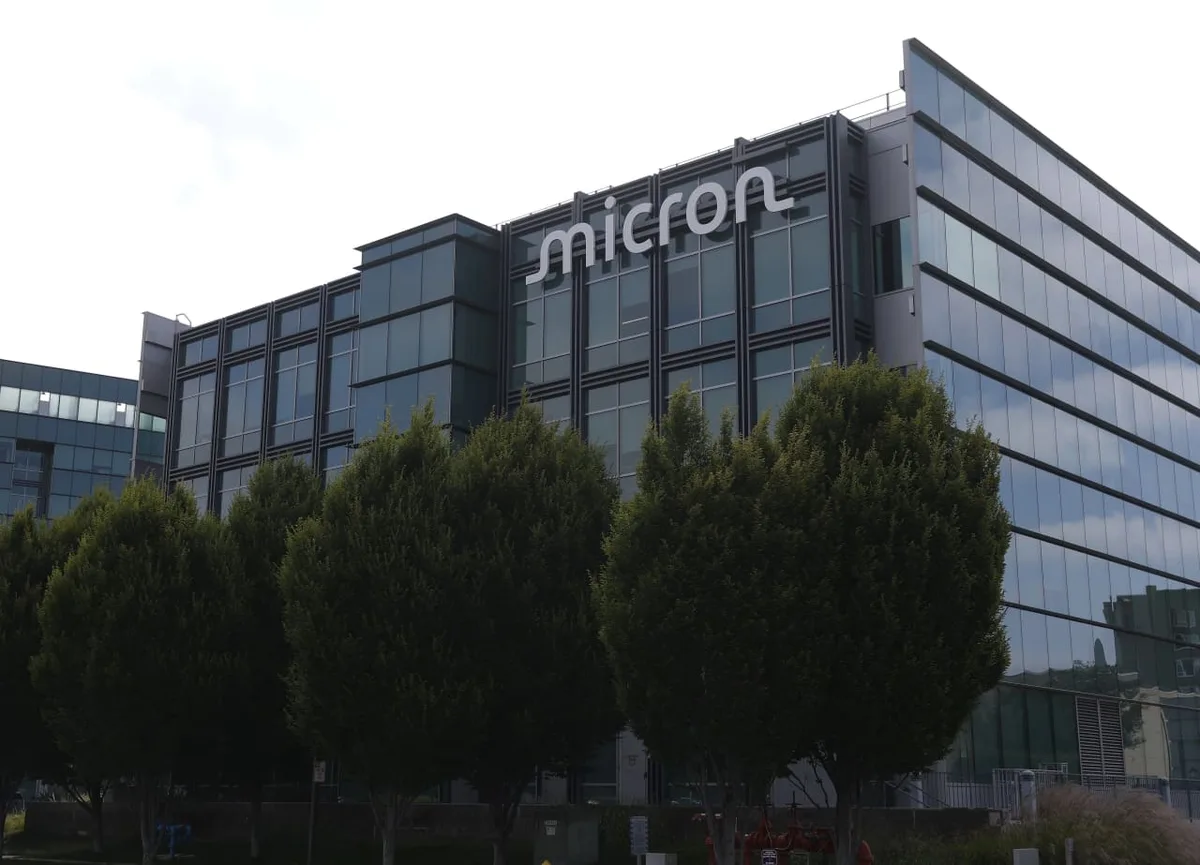
Here's a counterintuitive trade setup worth watching. Nvidia is dialing back certain chip capabilities — and one analyst thinks that's actually bullish for Micron. The logic? When compute power gets constrained, systems lean harder on memory bandwidth to compensate. That's Micron's wheelhouse.
High-bandwidth memory, or HBM, is already one of the hottest corners of the chip market. AI workloads are insatiable consumers of fast memory, and any architectural shift that increases HBM utilization per system is a direct revenue catalyst for Micron. If Nvidia's changes push customers to load up on more memory per unit, Micron wins even if Nvidia itself is taking a step back.
Read more Goldman Sachs Co-Head Gives 3 Reasons to Stay Invested Now →
This is the kind of second-order trade the market tends to miss on first read. Everyone's focused on what Nvidia is giving up. Fewer people are asking who picks up the slack — and the analyst making this call says Micron is a prime beneficiary. That's a different angle than the usual "AI spend is up, buy everyone" thesis.
Micron has had a volatile ride tied to memory cycle swings and export restriction fears. A structural demand driver from Nvidia's own product decisions would be a meaningful tailwind, independent of the broader macro noise. Watch how HBM supply contracts and pricing develop over the next few quarters — that's where this thesis gets proven or broken.
Continue reading at MarketWatch.com