Switzerland Votes on Capping Population at 10 Million
Swiss voters weigh a binding population cap that could slash immigration and strain the country's free-movement deal with the EU.
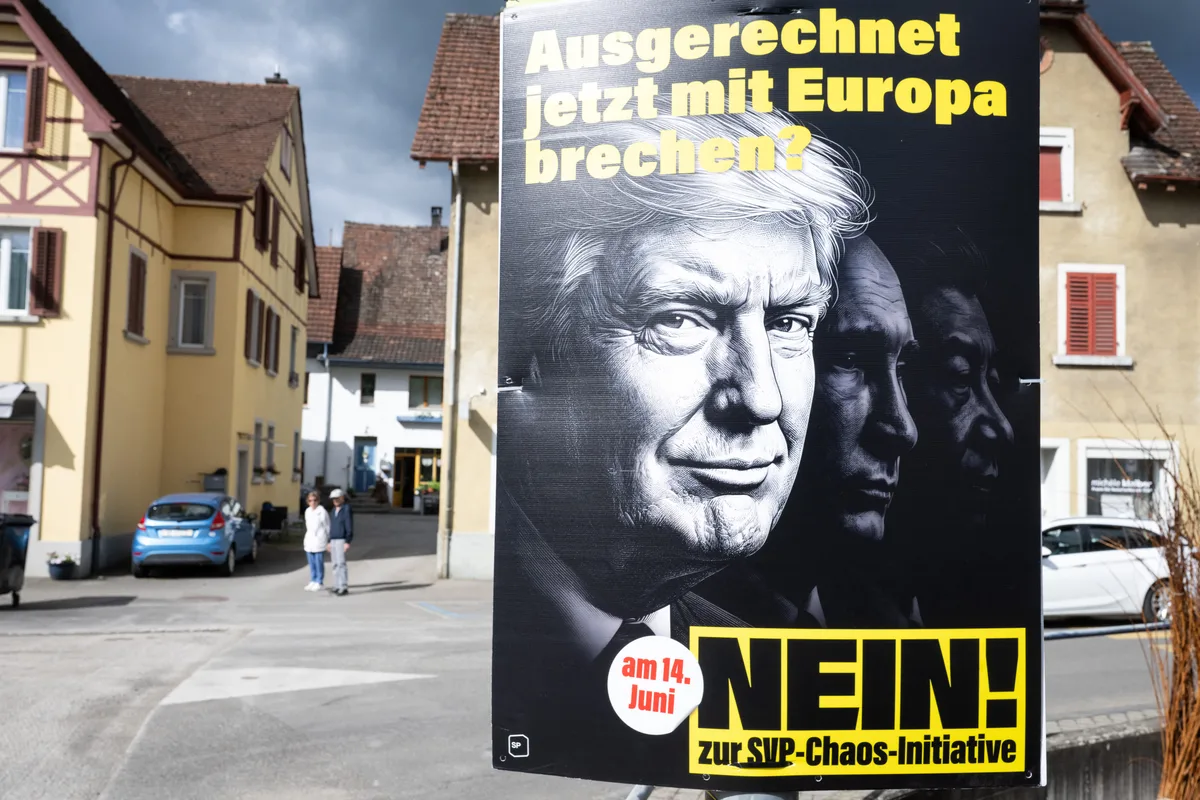
Switzerland is heading to the polls on one of the most consequential immigration votes in recent European history. The proposal would cap the country's population at 10 million — a hard ceiling that would force the government to actively restrict how many people can live and work there. Right now, Switzerland sits at roughly 9 million residents, so the ceiling sounds roomy, but experts warn the real impact kicks in fast when you factor in natural population growth alone.
The biggest flashpoint is Switzerland's bilateral free-movement agreement with the European Union. If the cap passes, Bern would almost certainly have to renegotiate — or outright ditch — that deal. The EU has made clear it doesn't do à la carte arrangements, so blowing up free movement could drag down a whole package of bilateral treaties that govern trade, research funding, and transport. For a country that's not an EU member but is deeply embedded in the European economy, that's a serious risk to put on the ballot.
Read more Kevin Warsh Prefers 'Chairman' Over 'Chair' at the Fed →
For traders and investors watching this, think of it as a referendum on Switzerland's openness to global capital and talent. A yes vote tightens the labor supply, pressures sectors that rely on cross-border workers — finance, pharma, hospitality — and injects fresh uncertainty into Swiss-EU relations at a time when Europe is already fragmented. The Swiss franc and Swiss equities could see volatility depending on the outcome and how markets read the downstream diplomatic fallout.
The initiative is backed by nationalist groups who argue that population growth is straining housing, infrastructure, and public services. Opponents — including the Swiss government and major business lobbies — say the cap is economically reckless and diplomatically naive. Switzerland has voted down similar restrictionist measures before, but the political mood across Europe has shifted sharply on immigration, making the outcome genuinely uncertain.
Continue reading at US Top News and Analysis